
Picture this: It’s a chaotic Monday morning, and you are staring blankly into my fridge. The contents? Some wilted lettuce, a half-eaten yogurt, and the last remnants of yesterday’s dinner. There’s nothing to work with, and the clock is ticking. You grabbed your phone and ordered takeout—again. It’s the third time this week, and you know something has to change. Sound familiar? This last-minute scramble is something most of us have faced more times than we’d like to admit.
What if instead of stressing about dinner, you had everything already planned, prepped, and ready to go? No more rushing to the store or settling for unhealthy choices. Meal planning isn’t just a time-saver; it’s a game-changer for your health, wallet, and peace of mind. Let’s dive into how you can start reaping the benefits of meal planning today.
Why Meal Planning Matters
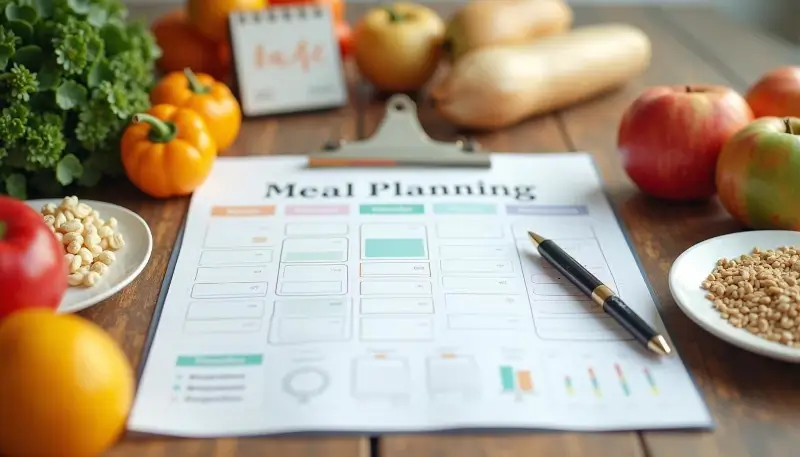
You know the feeling: it’s the end of a long workday, and you’re too tired to cook. You’re staring at the fridge, waiting for dinner to magically appear. Meal planning takes away the daily stress of figuring out what to eat. Plus, it frees up your time and helps you eat healthier.
According to a study published in the American Journal of Preventive Medicine, people who plan their meals are more likely to eat a nutritious diet and less likely to eat fast food. Planning meals in advance gives you control over your ingredients, portions, and nutrition.
When you plan, you’re less likely to grab unhealthy convenience foods. In fact, one study shows that 77% of people who meal prep regularly save time and money. Imagine the stress it could save you if you never had to wonder what’s for dinner again!
Step-by-Step Guide to Creating Your Weekly Meal Plan
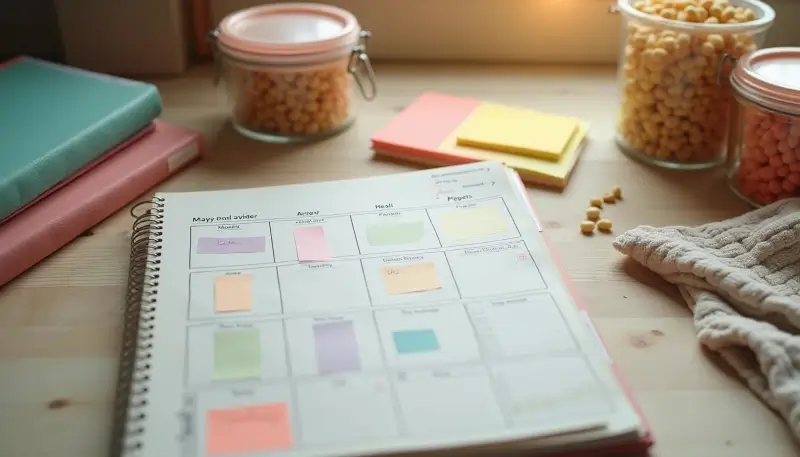
Meal planning may sound like a big commitment, but it doesn’t have to be. Start small. Follow these simple steps to create a meal plan that fits into your life.
Step 1: Assess What You Have and Set Your Goals
Before you plan any meals, start by checking what you already have in your pantry, fridge, and freezer. Take note of ingredients that are close to expiring and work them into your upcoming meals. You’ll be surprised how much you can make with what’s already on hand.
Next, set your goals. Are you trying to eat healthier, save money, or simply cut down on cooking time? Defining your goals will guide the meals you choose. For example, if you want to eat healthier, focus on incorporating more vegetables and lean proteins into your meals.
Step 2: Choose Simple, Delicious Recipes for Your Week
Now it’s time for the fun part—choosing your meals! Start with recipes you know and love. It’s best to keep things simple, especially when you’re just starting out. Aim for recipes with five to ten ingredients that don’t require hours of cooking.
Look for meals that overlap in ingredients. This way, you can buy in bulk and minimize waste. For example, if one recipe calls for chicken, use the extra chicken in another dish like a salad or stir-fry. As you plan, think about your schedule. If you know you’ll have a busy Wednesday, plan for a quick meal or leftovers that day.
Step 3: Build a Smart Grocery List in Minutes
Once your meals are selected, it’s time to build your grocery list. Writing a list not only saves you time but also helps you avoid impulse buys. A Harvard Business Review study found that shopping with a list can cut down grocery costs by up to 23%.
Group your list by categories like produce, meat, dairy, and pantry staples to make your shopping trip more efficient. As you write your list, check off any ingredients you already have at home.
Meal Prep Hacks: Cut Your Prep Time in Half

Meal prep is your secret weapon to making meal planning easier and faster. With the right strategies and tools, you’ll be prepping for the week in no time.
Time-Saving Meal Prep Tips
- Prep in batches for efficiency: Set aside time once or twice a week to chop vegetables, marinate meats, or cook grains in bulk. This will save you tons of time during the week.
- Stick to one-pot meals: These are great because they minimize both cooking and cleanup time. Fewer dishes, fewer headaches.
- Plan for leftovers: Make meals that can be easily reheated or repurposed for lunch the next day.
- Freeze meals for later: Double your recipes and freeze half for a quick dinner on those extra busy nights.
Must-Have Tools for Fast and Efficient Meal Prep
Having the right tools can make meal prep even faster and more enjoyable:
- Food processor: This handy tool can chop, slice, and dice ingredients in seconds.
- Slow cooker: Set it and forget it. You can have a delicious meal waiting for you at the end of the day.
- Glass storage containers: Keep your prepped food fresh and organized in the fridge or freezer.
- Mandoline slicer: Get perfectly sliced vegetables without the effort.
Bonus: How to Save Money While Meal Planning
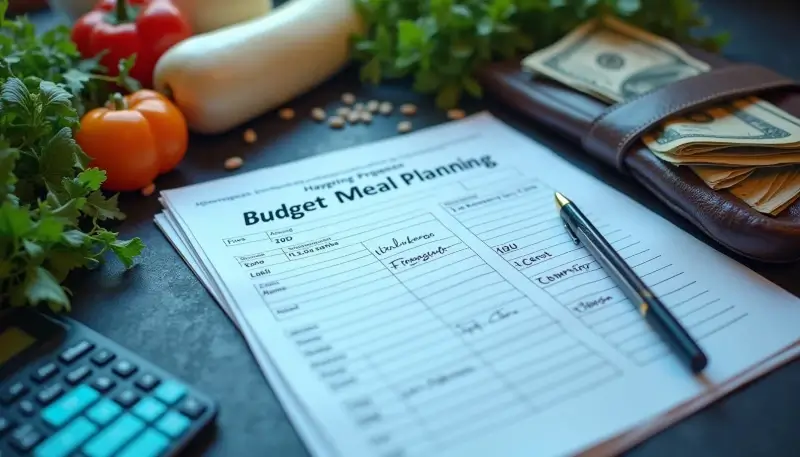
Who doesn’t love saving money? Meal planning is a great way to reduce food waste and trim down your grocery bill. By planning ahead, you avoid buying unnecessary items and can make the most of ingredients you already have.
Here are some quick ways to save:
- Shop in season: Seasonal produce is often cheaper and fresher. Plan your meals around fruits and vegetables that are in season.
- Buy in bulk: Ingredients like grains, beans, and nuts are often cheaper when bought in larger quantities.
- Stick to your list: It’s tempting to grab extras when you’re shopping, but sticking to your list ensures you only buy what you need.
- Use leftovers wisely: Incorporate leftovers into future meals or freeze them for later. This reduces waste and stretches your food budget.
A report from Business Insider found that meal planners save an average of $60 per month compared to those who don’t plan. Over the course of a year, that’s a whopping $720 back in your pocket!
Frequently Asked Questions about Meal Planning
How long does it take to meal plan?
Meal planning usually takes about 30 minutes to an hour, depending on how detailed you get.
Do I have to meal prep every day?
No, most people meal prep once or twice a week. You can prep ingredients in bulk and use them for multiple meals.
What if I don’t stick to the plan?
That’s okay! The goal is to make your life easier, not more stressful. If you don’t feel like cooking what’s on the plan, swap it out or save it for another day.
Can I meal plan on a budget?
Absolutely. In fact, meal planning is one of the best ways to save money on groceries. Stick to simple, affordable ingredients and plan for leftovers.
How do I avoid getting bored with my meals?
Variety is key! Rotate your meals every few weeks and try new recipes. You can also change up ingredients and spices to keep things interesting.
Conclusion
Meal planning isn’t just for fitness fanatics or professional chefs. It’s a practical way to save time, reduce stress, and eat healthier. Whether you’re looking to streamline your week, cut down on food waste, or stick to a budget, meal planning can help you achieve your goals. Start small, and remember that it’s okay if you don’t follow the plan perfectly.
Are you ready to give meal planning a try this week?
Sources:
American Journal of Preventive Medicine
Business Insider
Harvard Business Review
The Journal of Nutrition Education and Behavior