
Once upon a time, on a sweltering summer day, you found yourself parched while lounging by the pool. You wondered if you were drinking enough water or if you were already halfway to resembling a raisin. We’ve all been there, unsure whether we’re sipping too little or too much. So, let’s dive into the fascinating world of hydration and figure out how much water you really need to quench that thirst.
Understanding Your Daily Water Needs

Staying hydrated is more than just a recommendation; it’s a necessity for optimal health. But how much water should you actually drink each day? The answer isn’t as straightforward as the proverbial “eight glasses a day” that you’ve likely heard. Let’s explore the nuances of daily hydration needs.
Factors That Affect Hydration Requirements
Several factors influence how much water your body requires daily:
- Age: As you age, your body’s ability to conserve water decreases, making older adults more prone to dehydration. Children, with their higher metabolism, also have different hydration needs.
- Gender: Men generally have a higher water requirement than women due to differences in muscle mass, metabolism, and physical activity levels.
- Activity Level: The more physically active you are, the more water you lose through sweat, necessitating higher water intake.
- Climate: Living in hot or humid conditions can increase your sweat rate, meaning you’ll need more water to stay hydrated.
- Health Status: Certain health conditions, such as kidney stones or urinary tract infections, require increased water intake. Pregnant or breastfeeding women also have higher hydration needs.
- Diet: Foods with high water content (like fruits and vegetables) contribute to hydration, whereas high-salt or high-sugar foods might increase your water needs.
Calculating Your Ideal Water Intake
The National Academies of Sciences, Engineering, and Medicine recommends a daily water intake of about 3.7 liters (125 ounces) for men and 2.7 liters (91 ounces) for women from all beverages and foods. However, these are general guidelines, and your specific needs may vary.
A simple formula to estimate your water needs is to drink half your body weight in ounces. For instance, if you weigh 150 pounds (68 kg), aim for 75 ounces (2.2 liters) of water daily. Adjust based on activity, climate, and dietary factors.
The Health Benefits of Proper Hydration

Proper hydration offers a multitude of benefits, from glowing skin to enhanced brain function. Let’s uncover how staying hydrated positively impacts your body and debunk some common myths.
How Hydration Impacts Your Body
- Brain Function: Dehydration can impair cognitive functions such as memory and concentration. Drinking enough water helps maintain focus and mental clarity.
- Physical Performance: Adequate hydration is crucial for optimal physical performance, reducing fatigue and improving endurance during exercise.
- Digestive Health: Water aids digestion by helping break down food and preventing constipation.
- Temperature Regulation: Sweating is your body’s way of cooling down, and staying hydrated helps maintain this critical function.
- Joint Health: Water keeps joints lubricated, reducing the risk of joint pain and stiffness.
Debunking Hydration Myths
- Coffee and Tea Dehydrate You: While caffeine is a mild diuretic, coffee and tea still contribute to your daily fluid intake.
- Thirst Is a Reliable Indicator: By the time you feel thirsty, you may already be mildly dehydrated. It’s best to drink water regularly throughout the day.
- You Need to Drink Eight Glasses a Day: The “eight glasses” rule is a general guideline, but individual hydration needs can vary significantly.
Practical Strategies for Staying Hydrated
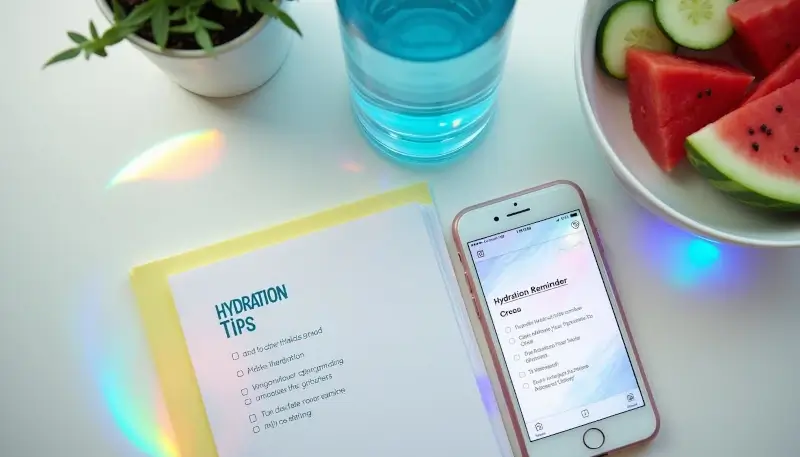
Staying hydrated doesn’t have to be a chore. With some practical strategies, you can ensure you’re meeting your daily water needs effortlessly.
Beyond Water: Alternative Hydration Sources
Water is the best hydrator, but other sources contribute to your fluid intake:
- Fruits and Vegetables: Foods like watermelon, cucumbers, and strawberries have high water content, making them great hydration sources.
- Herbal Teas: Naturally caffeine-free and hydrating, herbal teas can be a flavorful way to increase fluid intake.
- Soups and Broths: These liquid-based foods not only provide hydration but can also offer essential nutrients.
Tips for Maintaining Hydration Throughout the Day
- Start Your Day with Water: Drink a glass of water first thing in the morning to kickstart your hydration.
- Carry a Water Bottle: Having a reusable water bottle handy encourages regular sipping.
- Set Reminders: Use phone alarms or apps to remind you to drink water throughout the day.
- Flavor Your Water: Add slices of lemon, cucumber, or mint to enhance the taste of your water.
- Monitor Your Urine Color: Pale yellow urine is a good indicator of proper hydration.
Common Hydration Questions Answered
Even with a solid understanding of hydration, you might still have some questions. Let’s address some common concerns about water intake.
How Do You Know if You’re Drinking Enough Water?
Pay attention to these signs to ensure you’re adequately hydrated:
- Clear or Light-Colored Urine: Dark yellow urine is a sign of dehydration, while clear or light-colored urine indicates good hydration.
- Regular Bathroom Visits: Needing to urinate every 2-4 hours is a typical hydration indicator.
- Minimal Thirst: If you rarely feel thirsty, you’re likely drinking enough water.
Can Other Beverages Count Toward Your Total Fluid Intake?
Yes, other beverages contribute to your fluid intake. Milk, juice, coffee, and tea can all count towards your daily total. However, water remains the best choice due to its calorie-free and hydrating nature.
What Are the Signs You Might Be Drinking Too Much Water?
While uncommon, overhydration can occur. Watch out for these signs:
- Frequent Urination: Going to the bathroom more often than usual could be a sign of excess water intake.
- Clear Urine: If your urine is consistently clear, you may be drinking more water than necessary.
- Swelling or Discomfort: Overhydration can cause swelling or discomfort, especially if your kidneys can’t excrete the excess water.
Conclusion
Hydration is vital for overall health, but your specific water needs depend on various factors like age, activity level, and climate. By understanding these nuances, you can tailor your hydration habits to suit your lifestyle. Remember to listen to your body, adjust your intake as needed, and enjoy the benefits of proper hydration. After all, the path to health and wellness is often as simple as reaching for a glass of water. So, how will you make sure you’re staying hydrated today?
Sources:
Mayo Clinic: Water: How much should you drink every day?
Harvard Health Publishing: How much water should you drink?
Healthline: How Much Water Should You Drink Per Day?